Drain Camera Inspection in Conroe, TX
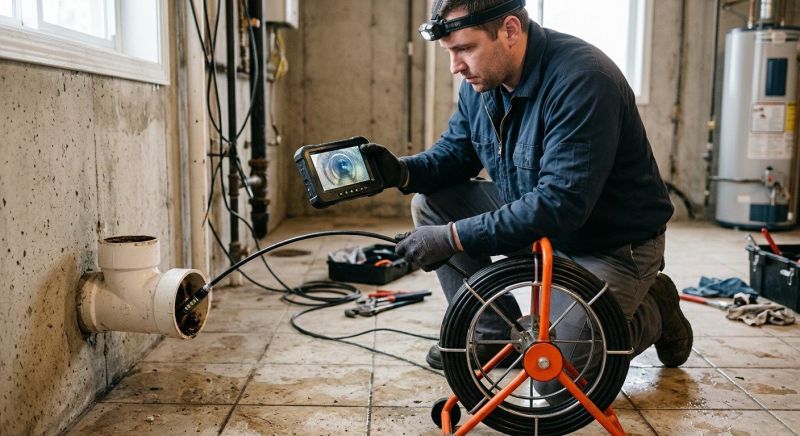
Drain camera inspection services involve using specialized equipment to visually examine the interior of a property's plumbing system. This process is commonly used to identify the cause of persistent clogs, detect pipe damage or deterioration, locate blockages, and assess the overall condition of sewer lines and drains. Homeowners often request this service when experiencing slow drains, foul odors, or recurring backups to understand what might be causing the issue and to determine the most effective repair approach.
Before requesting a drain camera inspection, property owners typically want to know what areas of the plumbing system will be examined and whether the inspection can pinpoint specific problems. It’s also helpful to understand if the process is non-invasive and how it can assist in planning repairs or replacements. Clear information about the scope of the inspection can aid homeowners in making informed decisions about necessary plumbing work and maintenance.
Many property owners in Conroe, TX look into Drain Camera Inspection for repairs, replacements, upgrades, and appearance-related improvements.
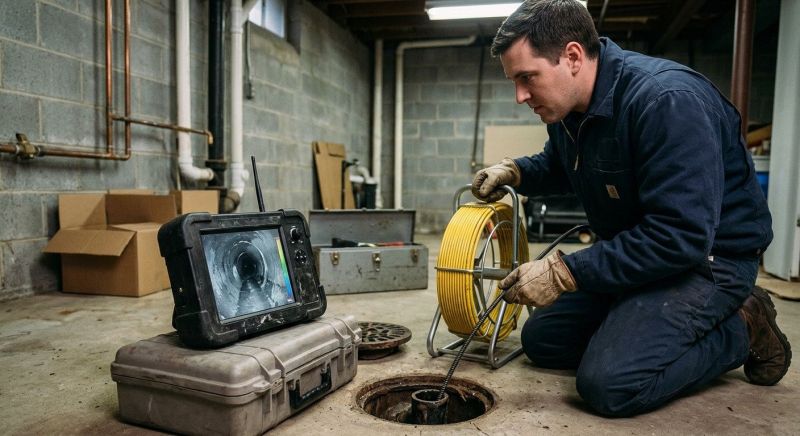
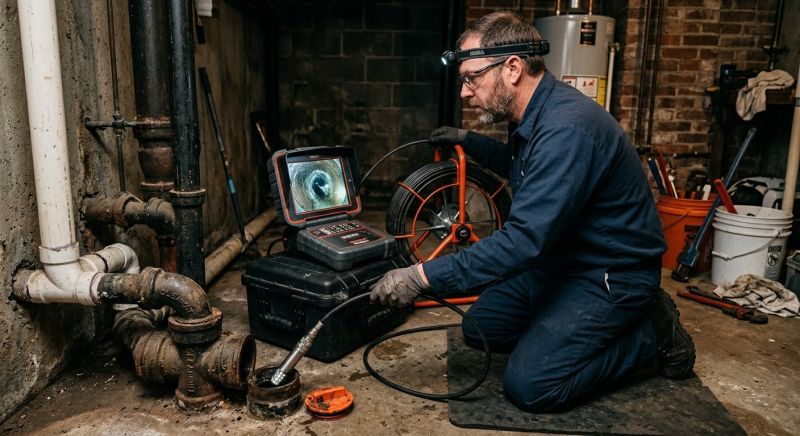
Drain Inspection Technology
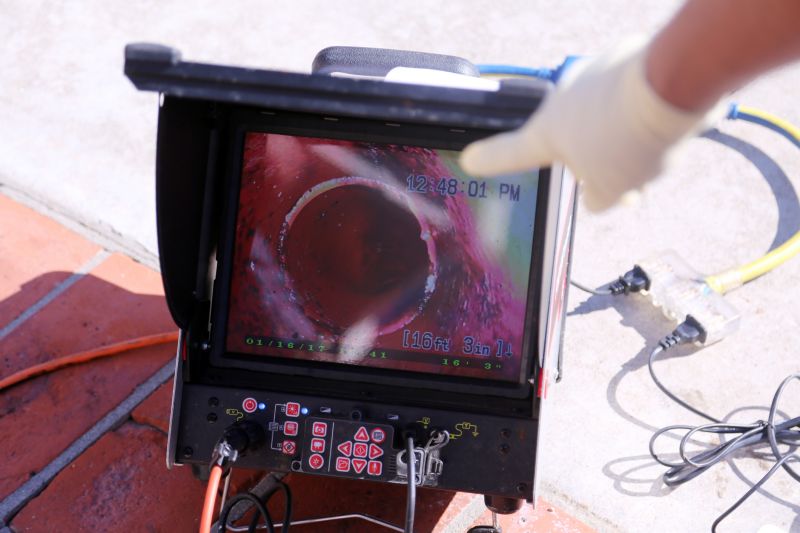
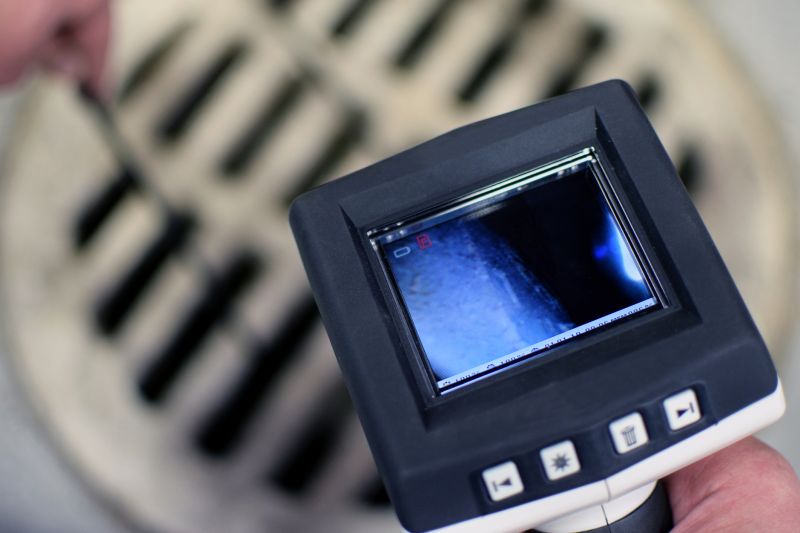
Advanced camera systems help identify blockages and pipe damage accurately.
Common Drain Issues
Clogs, tree root intrusion, and pipe deterioration are frequent concerns for homeowners in conroe.
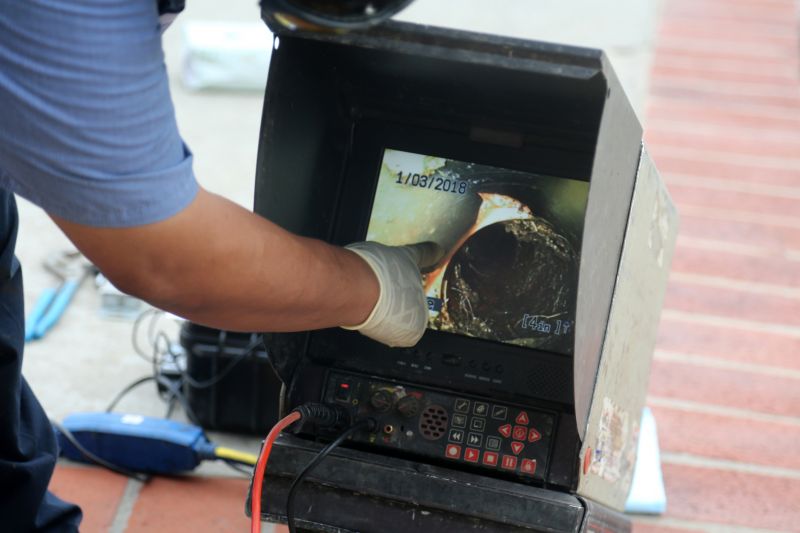
Benefits Of Camera Inspections
These inspections can prevent costly repairs by detecting problems early and providing detailed insights.
Drain Camera Inspection in Conroe, TX
Drain camera inspection services involve using specialized equipment to visually examine the interior of a property's plumbing system. This process is commonly used to identify the cause of persistent clogs, detect pipe damage or deterioration, locate blockages, and assess the overall condition of sewer lines and drains. Homeowners often request this service when experiencing slow drains, foul odors, or recurring backups to understand what might be causing the issue and to determine the most effective repair approach.
Before requesting a drain camera inspection, property owners typically want to know what areas of the plumbing system will be examined and whether the inspection can pinpoint specific problems. It’s also helpful to understand if the process is non-invasive and how it can assist in planning repairs or replacements. Clear information about the scope of the inspection can aid homeowners in making informed decisions about necessary plumbing work and maintenance.
Many property owners in Conroe, TX look into Drain Camera Inspection for repairs, replacements, upgrades, and appearance-related improvements.
Common Drain Camera Inspection Jobs
Drain Line Inspection - identifies blockages, cracks, or collapses within underground pipes.
Sewer Line Inspection - detects leaks or damage in main sewer lines to prevent backups.
Kitchen Drain Inspection - locates clogs or damage in kitchen sink and appliance drains.
Bathroom Drain Inspection - checks for obstructions or deterioration in bathroom plumbing.
Foundation Drain Inspection - assesses drainage systems around the foundation for proper function.
Storm Drain Inspection - evaluates outdoor drainage systems to prevent flooding and water damage.
Drain Camera Inspection Questions
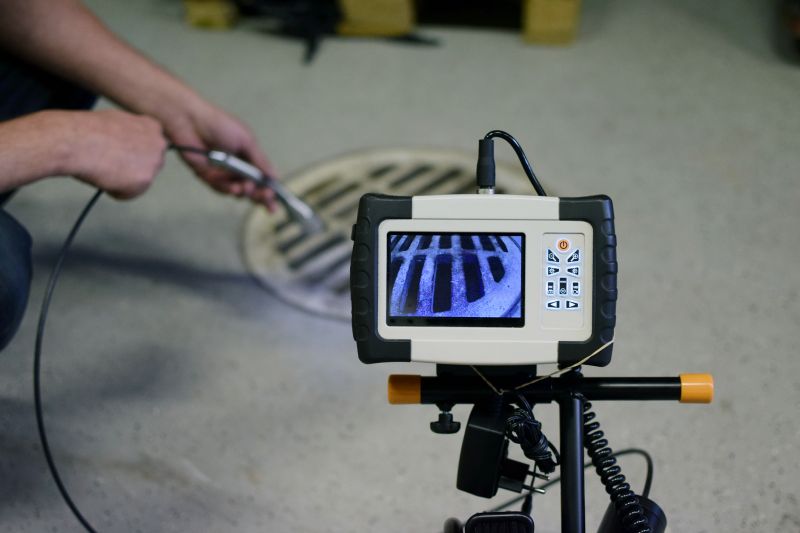
What is a drain camera inspection? It is a process that uses a specialized camera to visually examine the inside of a drain or sewer line to identify blockages, cracks, or other issues.
When should property owners consider a drain camera inspection? It is useful when experiencing slow drains, recurring clogs, or before performing major plumbing repairs or renovations.
How does a drain camera inspection help with repairs? It pinpoints the exact location and nature of problems, enabling targeted repairs and reducing unnecessary work.
Is a drain camera inspection invasive? No, it is a non-invasive procedure that involves inserting a flexible camera into the drain to assess its condition.
Request Drain Camera Inspection in Conroe, TX
Use the quote form on this page to share the basics of your project and request more information for the type of work you need.